Top 10 lies that you still believe
- Sep 20, 2025
- 3 min read
1. Diets Work
Diets are sold as the magic fix, but research shows most people regain all the weight (and more) within a few years. The cycle of restriction and rebound bingeing wreaks havoc on your metabolism, your hormones, and your relationship with food. Diet culture thrives on repeat customers; no matter the diet, it’s not built to help you succeed.
2. Saturated Fat is Bad for You
The demonization of saturated fat was built on outdated, cherry-picked research. Newer evidence shows it’s not t
he villain. It plays a role in hormone balance, brain function, and satiety. What’s truly harmful is pairing fat with refined sugar and ultra-processed foods, not eating steak or butter in a balanced diet.
3. Eating Healthy is Expensive
Marketers want you to think “healthy” means $15 smoothies and specialty powders. In reality, the cheapest staples in the grocery store (beans, rice, oats, eggs, frozen veggies) are nutrient-dense powerhouses. Eating healthy can be cheaper than eating processed junk if you strip away the hype.
4. Carbs Make You Fat
Carbs have been villainized, but they’re your body’s main energy source and critical for performance and recovery. What leads to fat gain isn’t carbs! It’s consistently overeating processed, high-calorie foods with little nutritional value. Demonizing carbs distracts from the real problem: the quality of the diet as a whole.
5. Cardio is the Best Way to Lose Weight
Hours of cardio can burn calories, but it doesn’t build the muscle that actually raises your metabolism long-term. Without strength training, you can lose muscle along with fat, making it harder to keep the weight off. Cardio has its place, but resistance training is the true game-changer for sustainable fat loss.
6. You Need Supplements to Be Healthy
The supplement industry profits off the idea that you’re always missing something. In reality, most deficiencies can be solved by eating whole foods, sleeping better, and managing stress. Supplements should fill gaps, not replace the fundamentals; otherwise, you’re just buying expensive urine (you pee it all out!).
7. Breakfast is the Most Important Meal of the Day
That slogan was pushed by cereal companies, not backed by science. Some people thrive with breakfast, but others do better eating later in the day, and neither option is inherently better. What matters most is overall diet quality and consistency, not what time you eat your first bite.
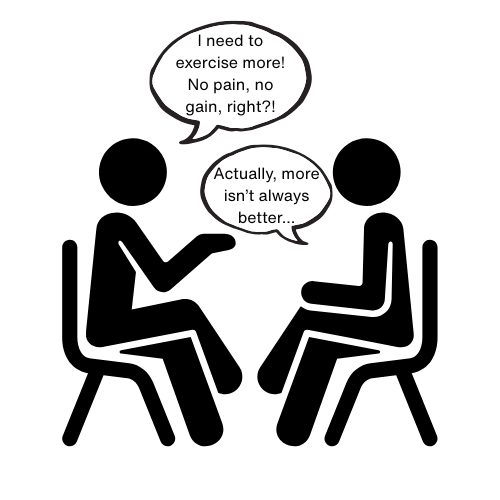
8. More Exercise = Better Results
Exercise is crucial for health, but more isn’t always better. Overtraining stresses your body, elevates cortisol, and increases injury risk, which can actually stall fat loss and muscle gain. Quality, consistency, and recovery matter more than doubling down on volume.
9. Healthy = Low Calorie
Low calorie does not equal nutritious. Diet soda, sugar-free candy, and “light” snacks may save calories but add nothing beneficial to your body (I'm getting over my own Sprite Zero addiction!). Real health comes from nutrients, not numbers. Sometimes the higher-calorie option (like salmon or avocado) is far healthier than the “light” version.
10. Willpower is the Key to Health
The belief that health is about discipline alone sets people up to fail. The truth is, your environment, habits, and systems are far more powerful than fleeting willpower. You don’t need to be superhuman; you need to make healthy the default choice in your daily life.
P.S. I've got an app where you can get custom exercise programs delivered to you monthly, created by me, complete with tutorials so that you can feel confident in the gym OR working out at home! I make programs tailored to your specific goals. Whether it be fat loss, gaining strength, or anything in between. Email me if you're interested in learning more: nikki@njhealthfitness.com


Comments